
With the recent ceasefire announced by the US and Iran on April 7th, many are now left wondering whether this means that fixed rates will start to come back down.. Put simply, not necessarily. Not any time soon atleast.
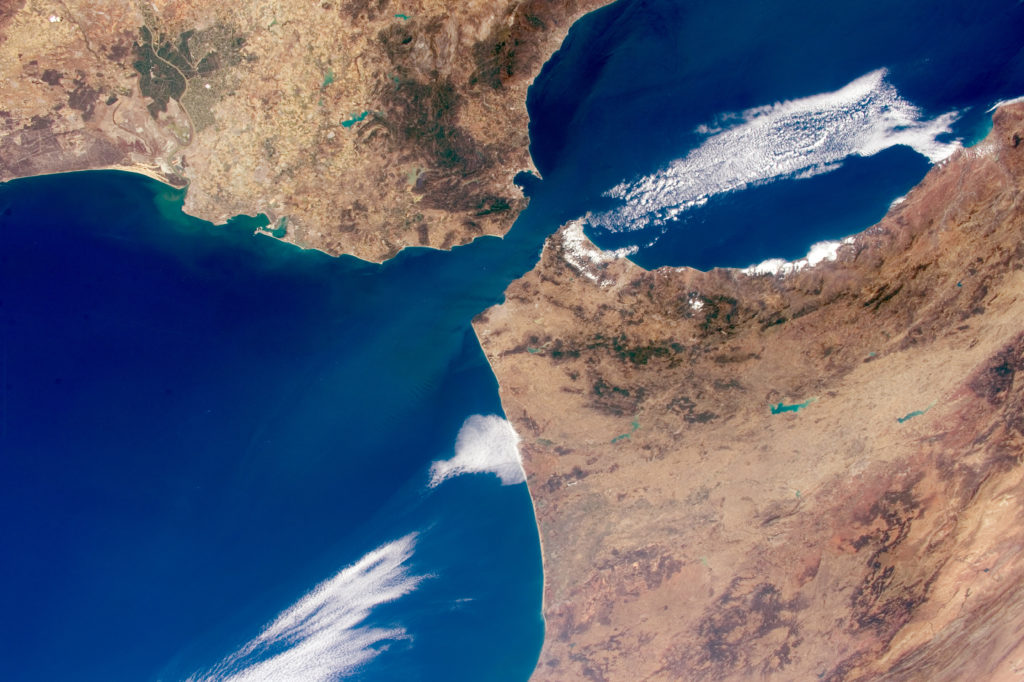
On April 7, the U.S. and Iran announced a ceasefire tied to reopening the Strait of Hormuz. That’s a big deal. It’s one of the most important oil routes in the world, and over the past few weeks, the fear of it staying disrupted added a serious “uncertainty premium” into the market.
Oil risk went up → inflation fears went up → bond markets got shaky → fixed mortgage rates climbed.
Now we’ve seen a pretty sharp reversal.
Brent crude dropped about 15%, landing back around $91 a barrel. That takes some of the pressure off the panic that pushed most fixed mortgage rates above 4.00%.
The bond market reacted too, with yields pulling back. But if you were expecting lenders to wake up this morning and slash rates across the board… not so fast. As of April 8th(today), we are already hearing reports about Iran keeping it closed due to breaches in the ceasefire. This means that any sort of reversal will not be immediate, as nothing has been solidified.
Yes, yields have come down, but not enough to warrant fixed rates dropping to their previous levels. We would need to see them keep moving lower before lenders start meaningfully improving fixed rates. As of today, the Canadian bond yields still at over 3%, whereas prior to the war they were in the 2.6x% range.
Volatility has been extreme, and when that happens, lenders tend to play it safe. They don’t rush to cut rates because things can flip quickly. If yields continue trending down, then yes, fixed mortgage rates should follow. But it only takes one unexpected update for markets to swing the other way again.
Why Mortgage Rates Haven’t Dropped (Yet)
Fixed mortgage rates are driven primarily by the bond market, not oil directly. Oil impacts inflation expectations, inflation impacts bonds, bonds impact lender costs, and then lenders decide how aggressive they want to be with pricing.
It’s a chain reaction and not an instant switch.
So yes, the drop in oil is a positive sign. But bond yields are still volatile, and lenders are still protecting their margins. They want confirmation that:
- The ceasefire actually holds
- The Strait stays open(as of today, some reports say otherwise)
- Inflation continues easing
Until then, we’re stuck in that “wait and see” phase. Depending on how the news plays out over the next 2 weeks, there could be a lot of volatility and no clear sign of which direction markets will go.
So… Wait or Lock In?
I have said this before rates even started going up but I will say it again; If you’ve got a renewal or purchase coming up soon, especially in the next 120 days, I’d still lean toward locking something in. There is still too much volatility and no clear path on what will happen with the current ceasefire. If rates drop, we can simply cancel the rate hold and switch you to the lower rates being offered. Its completely free, and I see it as an insurance policy that protects you from any further increases, should they happen.
Final Thoughts
The April 7 ceasefire between the U.S. and Iran is definitely a positive development. And the ~15% drop in oil prices is a real sign that markets are starting to relax. Unfortunately, the bond market is still volatile, lenders are still cautious, and nothing is guaranteed in the short term. If this situation continues to stabilize and bond yields keep trending lower, then yes, we should start to see fixed mortgage rates follow.